Prodalim has agreed to buy a controlling stake in Brenn-O-Kem, the South African business that converts what wineries leave behind into ingredients sold across food, drink and pharmaceutical supply chains. The buyer will pay $37 million for 93.25 percent of the company, in a deal announced this week.
Brenn-O-Kem, known as BOK, was founded in 1968 and runs three production sites in the Cape region with a workforce of 160 people. In the twelve months to September 2026 it generated revenue of about $29 million and EBITDA of about $8 million, according to figures released with the announcement.
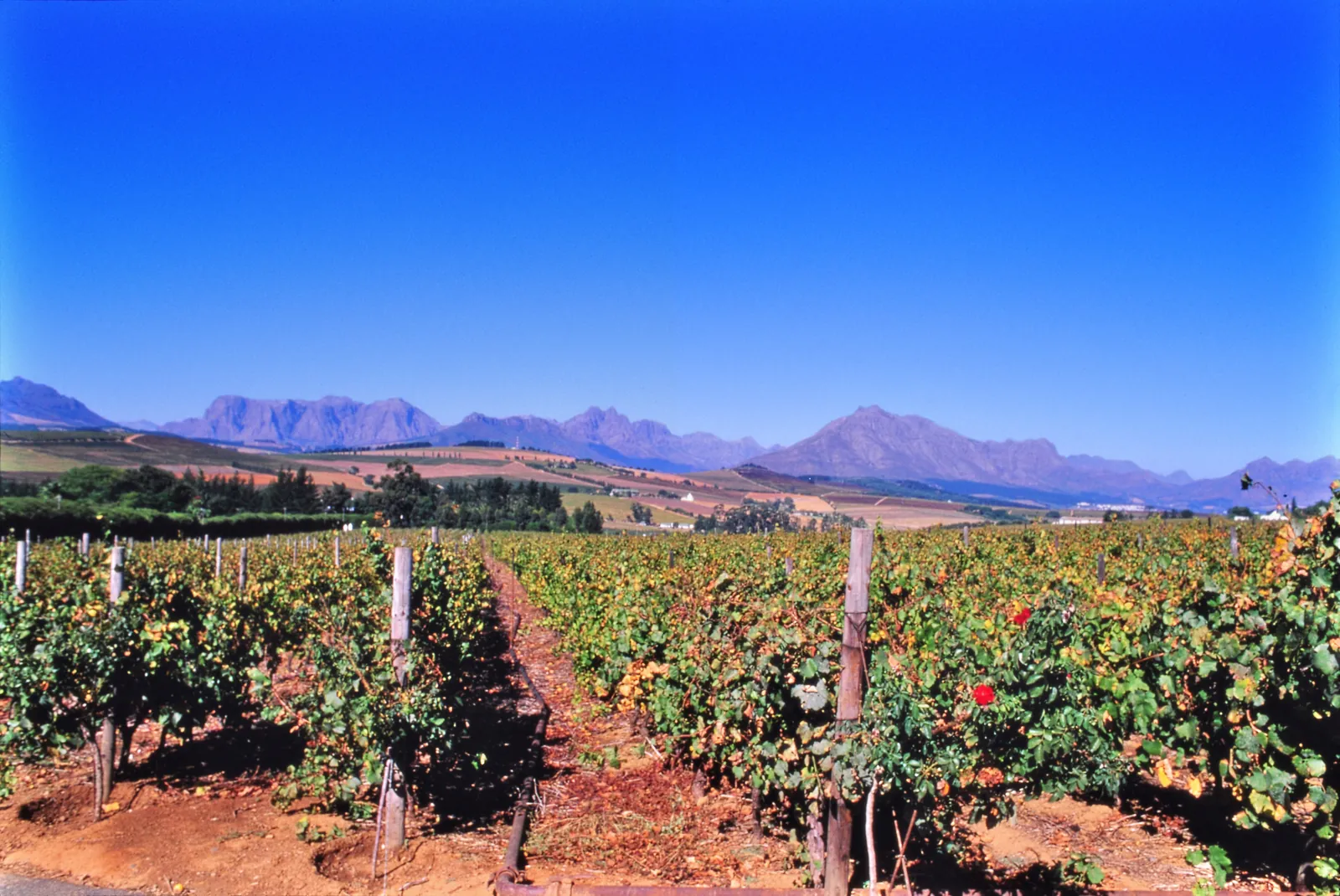
The company's plants work with grape pomace and wine lees, the skins, seeds and sediment left after pressing and fermentation. From that feedstock BOK produces tartaric acid and related derivatives, extracts drawn from grape seeds and skins for supplements and natural colourings, seed oils and wine concentrates for food makers, aromatic alcohol recovered for reuse in wine and spirits, and compost that returns to animal nutrition.
Why Prodalim wants the business
For Prodalim, the attraction is a business built on turning a disposal problem into saleable output. Wineries produce pomace and lees in large volumes every vintage, and a processor with established collection relationships sits between the cellar and several ingredient markets at once. The acquisition extends the group's circular economy platform into a new producing region, with BOK's plants giving it a manufacturing base inside the Cape winelands.
Prodalim also pointed to BOK's standing with South African wine producers as a possible route for introducing Solos dealcoholisation technology into the region, at a moment when no and low alcohol drinks continue to gain shelf space.
The transaction underlines where value is moving in a soft global wine market: away from volume alone, and toward the byproduct streams that every harvest creates whether the wine itself sells or not.