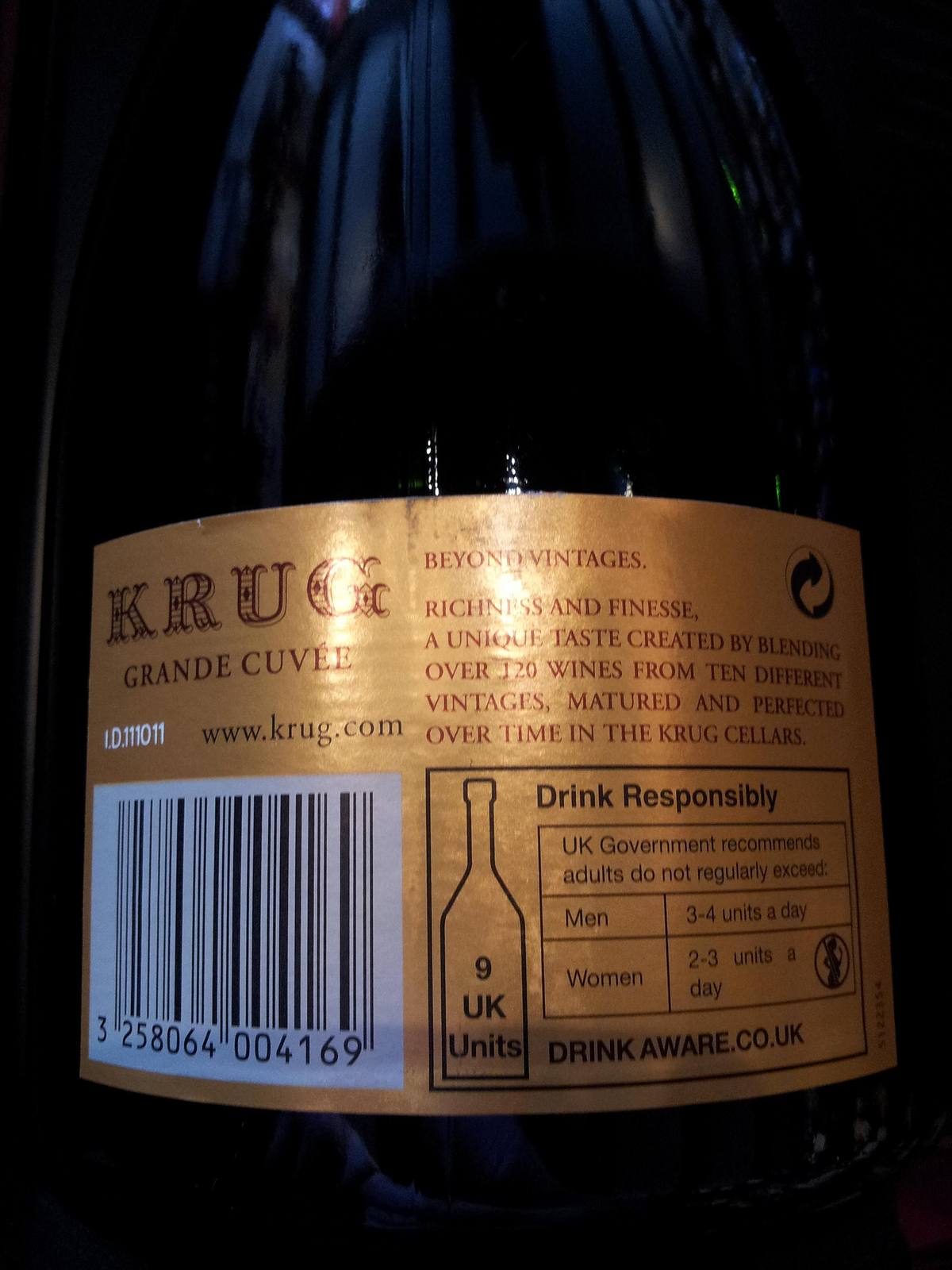
The prudent course is to assume the disclosures are coming, in some form, and to build label systems flexible enough to absorb them.
The most consequential labeling reform in a generation for American wine remains in limbo. More than a year after the Alcohol and Tobacco Tax and Trade Bureau closed public comments on its twin proposals for Alcohol Facts nutrition panels and mandatory allergen disclosures, no final rule has been issued, leaving wineries to plan label strategies around a regulatory outcome that has not yet arrived.
The proposals date to January 17, 2025, when the TTB published two notices of proposed rulemaking. Notice No. 237 would require per-serving alcohol, calorie and nutrient content information in an Alcohol Facts statement on all alcohol beverage labels under the bureau's jurisdiction. Notice No. 238 would require labels to declare all major food allergens used in production: milk, eggs, fish, crustacean shellfish, tree nuts, wheat, peanuts, soybeans and sesame, as well as ingredients containing protein derived from those foods. Both proposals carried a five-year compliance period running from the date a final rule is published in the Federal Register.
A long road from Treasury's 2022 report
The rulemaking traces to the Treasury Department's February 2022 Report on Competition in the Markets for Beer, Wine, and Spirits, which recommended that the TTB undertake rulemaking for allergen and per-serving alcohol, calorie and nutrient disclosures. The January 2025 notices reflected input from consumers, public health stakeholders and industry members gathered in public listening sessions and a related Federal Register notice.
The comment periods were extended twice and finally closed on August 15, 2025. The TTB's notices-of-proposed-rulemaking pages now show no dockets open for comment, the bureaucratic signal that the proposals are under internal review. As of October 2026, neither a final rule nor a supplemental proposal has appeared.
Industry pushed back on timing and cost, not the concept
The comment record shows an industry largely resigned to the principle of more disclosure but alarmed by the practical burden. The majority of comments supported new labeling requirements, trade press coverage of the docket found, but trade groups raised concerns about the implementation timeline and sought exemptions, particularly for smaller producers.
The Brewers Association, whose members face the same rules, warned that small producers confront the prospect of three overlapping federal labeling mandates at once: the TTB allergen disclosures, the TTB nutrition disclosures, and an FDA front-of-package labeling rule for beverages under FDA jurisdiction. The association supports coordinating the compliance dates and allowing producers to add mandatory allergen statements without applying for a new Certificate of Label Approval, a sensible accommodation that would save the TTB from being inundated with hundreds of thousands of COLA applications as any compliance date approaches.
Wine has its own particular exposure. Fining agents derived from egg whites, milk protein and fish bladder have long been standard cellar tools, and the allergen proposal would force a reckoning with how those inputs are declared. The current interim standard, T.D. TTB-53, allows voluntary allergen declarations using the phrase "Contains:" followed by the allergen; the proposal would make such disclosures mandatory, with an exemption for distilled products where distillation fully removes all proteins.
QR codes and the five-year clock
One industry-favored compromise is the digital label. The Wine Institute has taken a positive attitude toward QR codes that would carry nutrition and allergen information online, minimizing the impact on physical label design and production lines. The Beer Institute's Voluntary Disclosure Initiative, in place since 2016, already points participating brewers toward serving-facts statements delivered via labels, secondary packaging or websites accessible through QR codes, and TTB Ruling 2013-12 has long permitted voluntary serving facts statements.
The stakes of the delay cut both ways. Every month without a final rule is another month the five-year compliance clock has not started, giving wineries more breathing room. But it is also another month of planning uncertainty for label redesigns, COLA strategy and packaging investments that cannot wait indefinitely. For winery executives, the prudent course is to assume the disclosures are coming, in some form, and to build label systems flexible enough to absorb them whenever the TTB finally acts.