For the people who know and love Seppelt, it's a positive move that keeps the brand in Victorian hands.
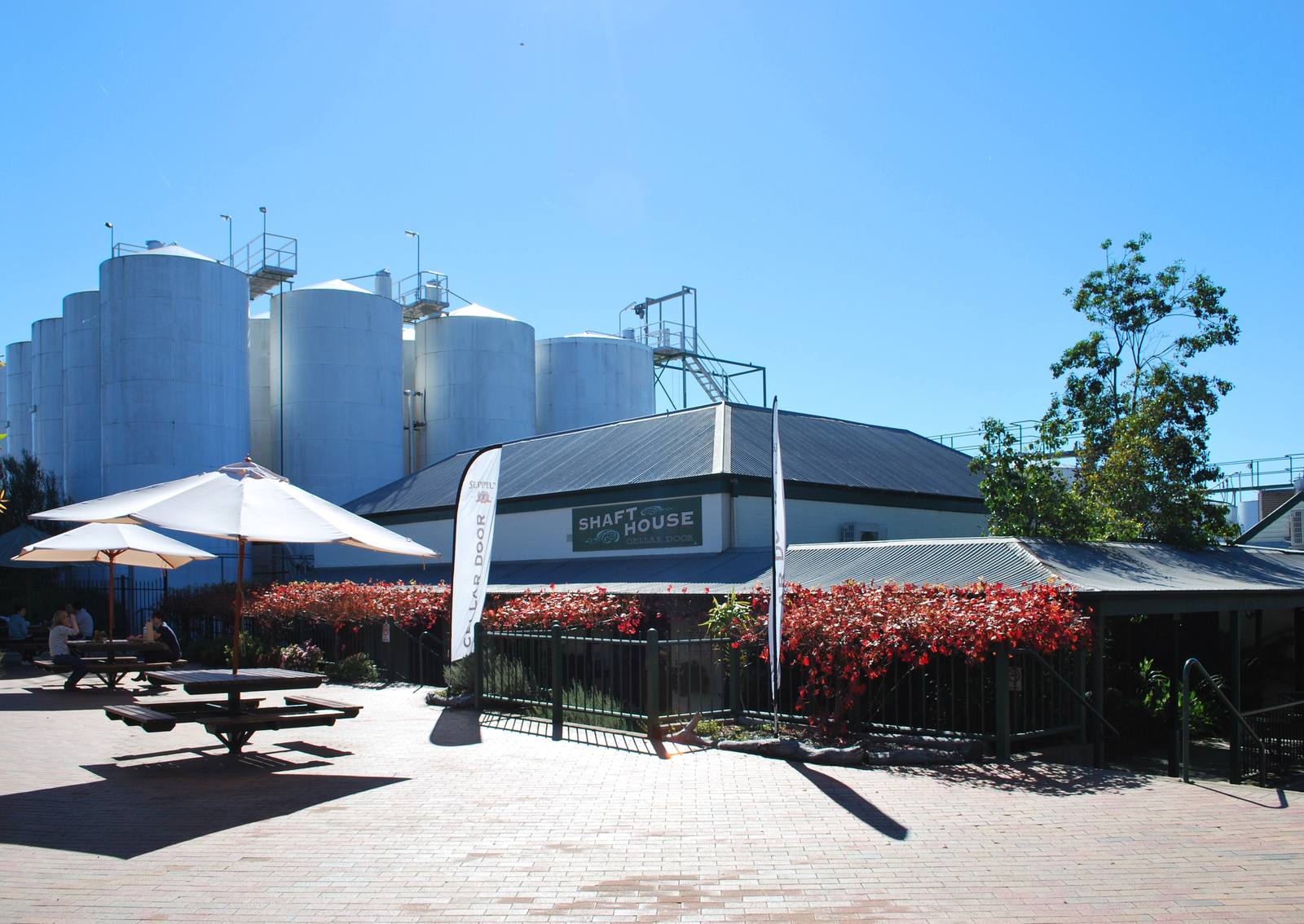
Treasury Wine Estates has agreed to sell Seppelt, one of the most historic names in Australian wine, to Aaron Drummond, the chief executive and co-owner of Mornington Peninsula winery Stonier, and his partners. The sale, announced in September 2026, includes the Seppelt brand, the Great Western winery, its cellar door and vineyards, and the Drumborg vineyard near Portland. Completion is expected in mid-October 2026. The price was not disclosed.
The deal is the latest step in Treasury's sweeping portfolio review. At its June Investor Day, the company announced plans to explore the sale of non-core brands and assets as part of what it called a broader transformation to create a more focused brand portfolio and simplified production footprint. Treasury is working to cut its brand count from 76 toward fewer than 30, concentrating investment on its luxury-led core.
A 175-year-old name changes hands
Seppelt's roots date to 1851, when Joseph Seppelt established Seppeltsfield in the Barossa Valley. The Great Western winery was founded in 1865 and became part of Seppelt in 1918. The site is renowned for its historic underground cellars, known as The Drives, the largest underground cellars in Australia, first excavated by local gold miners in 1868. The Drumborg vineyard, first planted in 1964, reflects Seppelt's pioneering approach to cool-climate viticulture in south-western Victoria.
The brand is recognized for its significant contribution to the development of Australian sparkling wine, a heritage that makes its exit from the Treasury stable symbolically weighty even as it fits the company's stated strategy.
Victorian hands
Angus Lilley, Treasury's managing director for Australia and New Zealand and Europe, framed the sale as a homecoming. "Seppelt holds a distinctive place in Australian wine, with a proud history shaped by generations of winemakers, viticulturists and people across the business and its local communities," he said. "For the people who know and love Seppelt, it's a positive move that keeps the brand in Victorian hands."
Drummond, who leads the respected Mornington Peninsula pinot noir specialist Stonier, described the acquisition in terms of stewardship. "It possesses such important vineyards and an incredible history. To be able to build on that tradition and reputation as a pioneer and leader for Australian sparkling and fine wine, is an absolute privilege."
Treasury said it is consulting directly with impacted team members at the Seppelt sites and will support them through the change. For the industry, the transaction is a case study in the current M&A climate: a major listed company shedding heritage assets to fund its luxury pivot, and an independent operator betting that heritage still has commercial value in the right hands.
The sale also underscores how thoroughly Treasury is reworking its Australian footprint. The company posted a statutory net loss of A$1,077.8 million for FY2026 after writing down the carrying value of its United States division, and with no dividend declared for the year, every non-core asset is under the microscope. Seppelt's departure continues a pruning program that has already reshaped the portfolio; the brands that survive it will be the ones Treasury believes can grow in a luxury-led future. For Drummond, the prize is one of Australian wine's foundational names, with underground cellars, cool-climate vineyards and a sparkling wine legacy that few properties in the country can match.