It's just been so complicated, so difficult. It is often easier for Canadians to buy wine from Europe or Australia than from another province.
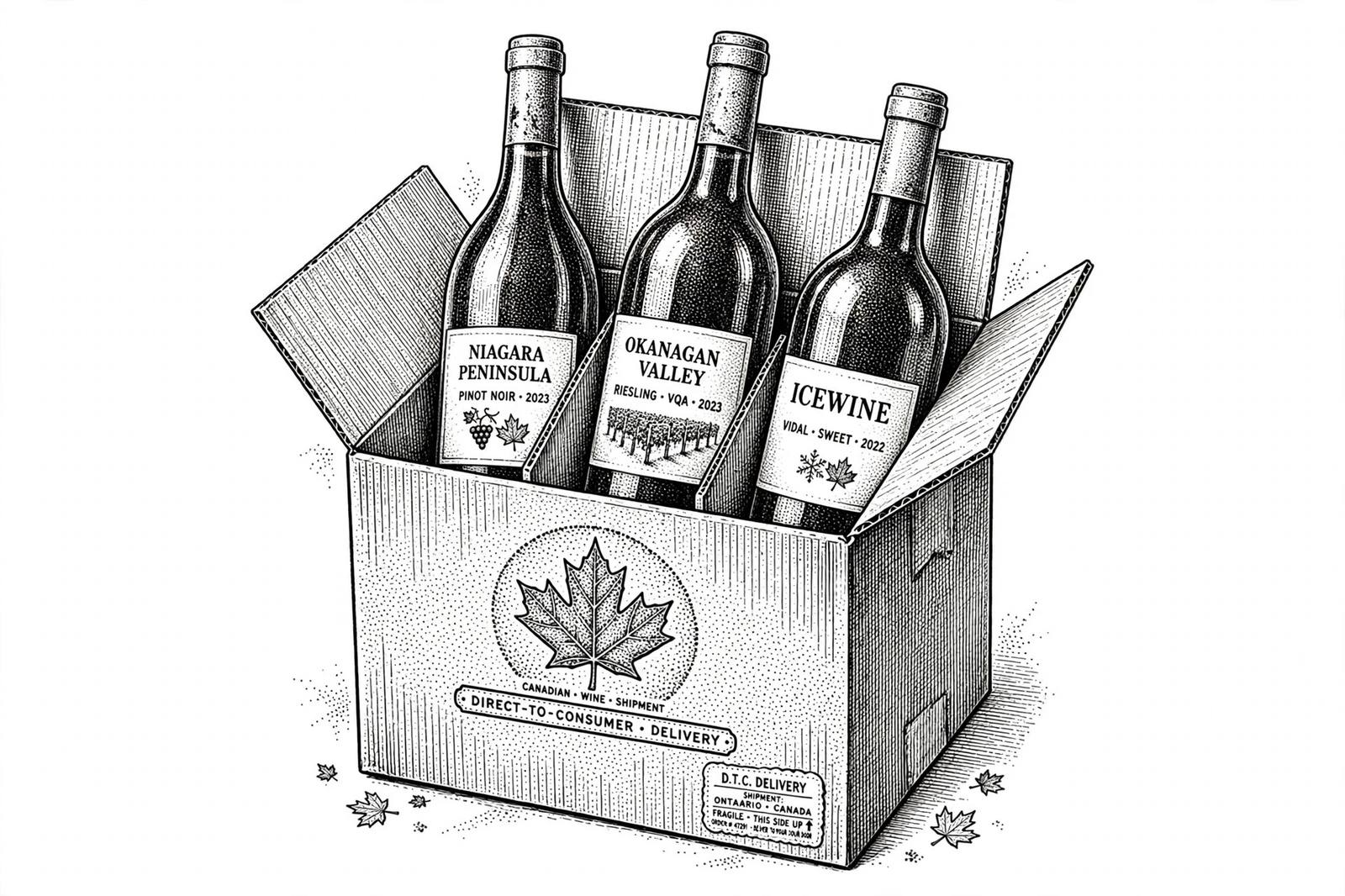
On July 21, 2026, the premiers of nine Canadian provinces signed the Operating Agreement on Direct-to-Consumer Sales of Alcoholic Beverages, removing long-standing barriers to interprovincial alcohol sales. The deal, announced at the Council of the Federation meeting in Charlottetown, allows brewers, distillers, and wineries to sell beer, wine, and spirits directly to consumers in other provinces, a landmark in a country where moving a bottle across a provincial border has often been harder than importing one from abroad.
The signatories, British Columbia, Alberta, Saskatchewan, Manitoba, Ontario, New Brunswick, Nova Scotia, Prince Edward Island, and Newfoundland and Labrador, committed to letting producers ship directly to out-of-province consumers for personal use. Alcohol must be manufactured in the producer's home province, orders can be delivered directly or through third-party shippers, and destination provinces may apply their own fees, markups, and taxes. Quebec, Yukon, the Northwest Territories, and Nunavut did not sign but are in discussions to join later.
Team Canada, under tariff pressure
The agreement was framed as an economic sovereignty measure. "In the face of President Trump's latest tariffs, it's more important than ever that Team Canada work together to build a more united, resilient and self-reliant Canadian economy," said Ontario Premier Doug Ford. He added that the deal would open new markets and new choice and convenience for producers and customers, while helping unlock more than CA$200 billion in untapped economic opportunity held back by internal trade barriers.
The timing was pointed. The pact came days after Washington announced plans for a 50 percent tariff on Canadian alcoholic products from August, itself retaliation for Canada's removal of US-made alcohol from provincial liquor store shelves in March 2025. New Brunswick Premier Susan Holt told reporters in Charlottetown that Canadians could now get the benefits of domestic products, "strengthening internal trade, being our own best customer at a time when it really matters."
Producers: the shelves are still closed
Two months later, the industry's verdict is cautious. As Reuters reported on September 29, Canadian drinks producers say the July agreement, while welcome, leaves the biggest barrier standing: the DTC system allows direct sales to consumers anywhere, but not placement on store shelves, which is vital for meaningful volume.
The structural problem is ownership. Provinces are key to streamlining regulation, but many of them own and control alcohol stores and warehouses, giving them little incentive to ease competition from outside products. Liquor trade experts told Reuters that in British Columbia and Ontario, the country's main wine-producing provinces, there appears little interest in allowing easier access to outside products. "It's just been so complicated, so difficult," said Jeff Guignard, president of Wine Growers British Columbia, who noted it is often easier for Canadians to buy wine from Europe or Australia than from another province.
A spokesperson for Dominic LeBlanc, the federal minister in charge of internal trade, praised the July agreement and said Ottawa had removed all federal barriers to internal trade while urging provinces to do the same. "This is meaningful progress, but we know there is much more to do, especially as our largest trading partner, the United States, fundamentally changes its approach to trade and imposes new unjustified tariffs on Canadian goods," said spokesperson Eve Loignon-Giroux.
The US market is closing
The domestic debate is unfolding as the American market shuts. About half of Canada's spirits production is exported, with 93 percent of those exports destined for the US, according to Spirits Canada. Washington's measures still allow many bulk, unbottled imports, but bottled whisky and most other packaged alcoholic beverages are now banned outright, on top of the tariff escalation. Smaller distillers, who bottle in-house or locally rather than shifting operations across the border, are effectively blocked from the US market.
What the trade should watch
Canada's DTC agreement is real progress wrapped around a remaining obstacle. Direct shipping gives small wineries, distilleries, and breweries a new channel to reach consumers nationwide, and the political momentum behind internal trade reform is genuine. But until provincial retail shelves open, the agreement's commercial impact will be modest. For Canadian producers, the strategic imperative is unchanged: build the domestic direct channel while the US market is hostile, and keep pressing the provinces, especially the big wine provinces, to finish the job they started in Charlottetown.