We weren't entirely prepared.
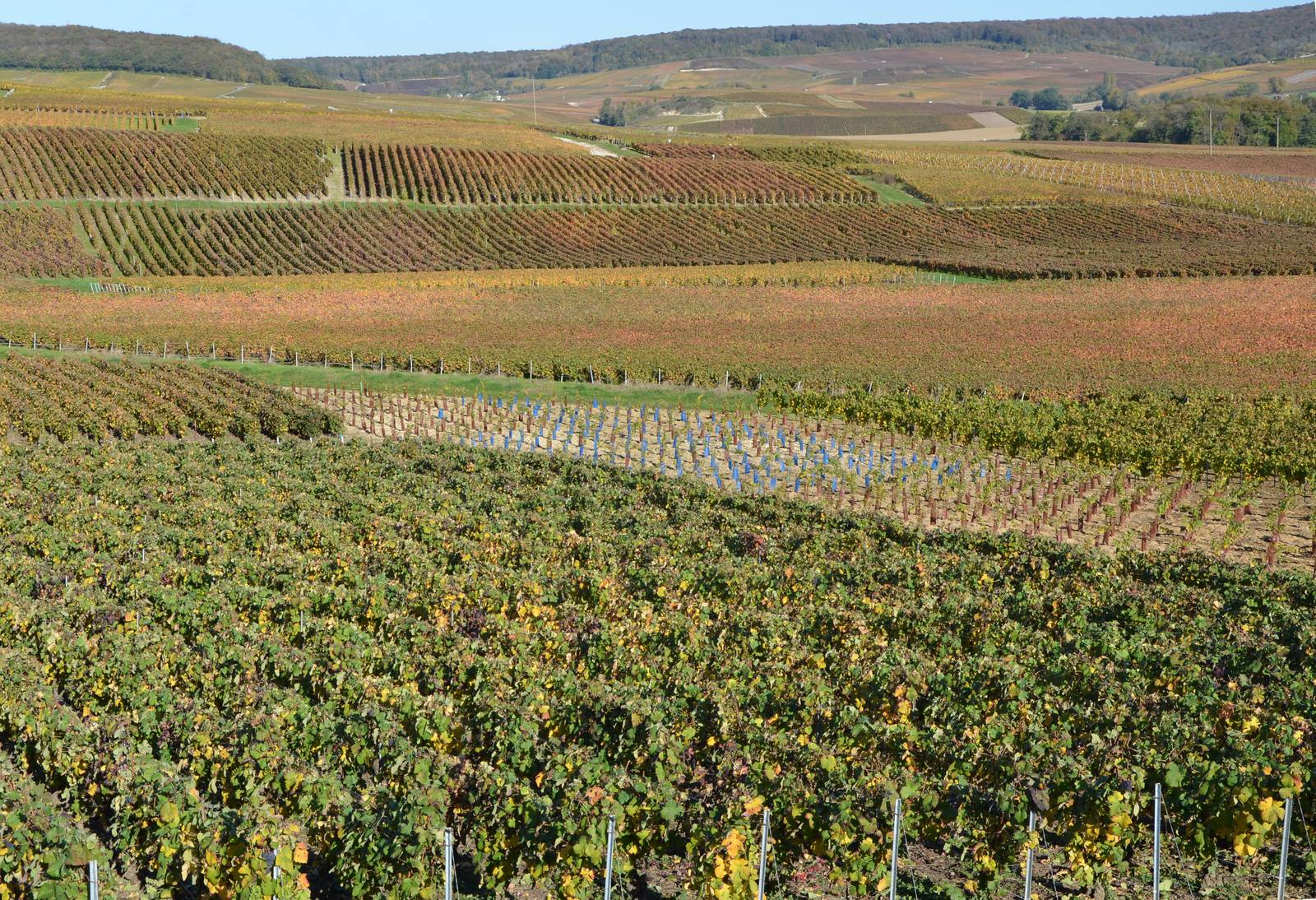
Champagne's 2026 harvest is coming in with fewer grapes and more pressure on wineries, as spring frosts followed by summer heatwaves cut yields across the French region. Yet producers insist the wine itself could rank among the best of recent years.
France's Ministry of Agriculture indicated on September 21 that Champagne production was expected to be roughly 50 percent lower than the previous year, a shortfall that would make 2026 one of the smallest Champagne harvests in recent memory. According to Reuters, Champagne houses will lean on reserve wines to offset part of the drop in volume.
Picking moved so quickly that some growers had to cut their summer holidays short and call in pickers earlier than planned. "We weren't entirely prepared," Maxime Toubart, co-president of the Comite Champagne, the body that regulates the sector, told reporters.
The season's violence showed in the numbers. Barons de Rothschild reported its vineyards yielded an average of 6,000 kilograms per hectare, after three spring frost events damaged 38 percent of its area, the most destructive frost the estate had experienced since 2003. An almost entirely dry summer and five heatwaves followed, though cellar master Guillaume Lete said the harvested grapes remained healthy and displayed an excellent balance of ripeness.
"Our agility, our use of small vinification vessels, and our ability to mobilise everywhere simultaneously allowed us, I believe, to come out on top during this extraordinary vintage," Lete said. "Of course, this remains to be confirmed in the near future."
Reserves are Champagne's built-in cushion for lean years. Most bottles are blends of several vintages, which gives producers room to maneuver when a harvest falls short. This year houses are expected to draw on those stocks to cover part of the grape shortage, though not all will do so equally. Toubart noted that some companies may choose to hold back reserve wines for future blends or simply bottle slightly less.
The industry had already been tightening supply deliberately. Champagne's permitted yield for 2026 was set at 8,800 kilograms per hectare, roughly 250 million bottles, the lowest since 2020 and the fourth consecutive annual reduction, down from 11,400 kilograms per hectare in 2023. David Chatillon, co-president of Comite Champagne, called the cap "a responsible approach" that adapts "to market realities without losing sight of preserving the appellation's value over the long term," while Toubart described it as "a measured decision, mindful of both the reality of the vineyards and the future of the industry."
Quality reports remain strong, with ripe grapes and little mildew across vineyards. The heat did push alcohol levels higher, creating additional work for winemakers during production. The smaller crop arrives at a delicate moment: the industry has already reduced production targets in recent years as weaker consumer demand, economic uncertainty and falling global alcohol consumption weigh on sales, and producers continue to monitor the impact of US tariff policy on exports.