Smoke has unquestionably affected some vineyards, but it does not define the entire 2026 vintage.
British Columbia's 2026 wine harvest arrived at a record-early pace and is now largely complete, delivering promising fruit wrapped in a complicated vintage marked by wildfire smoke.
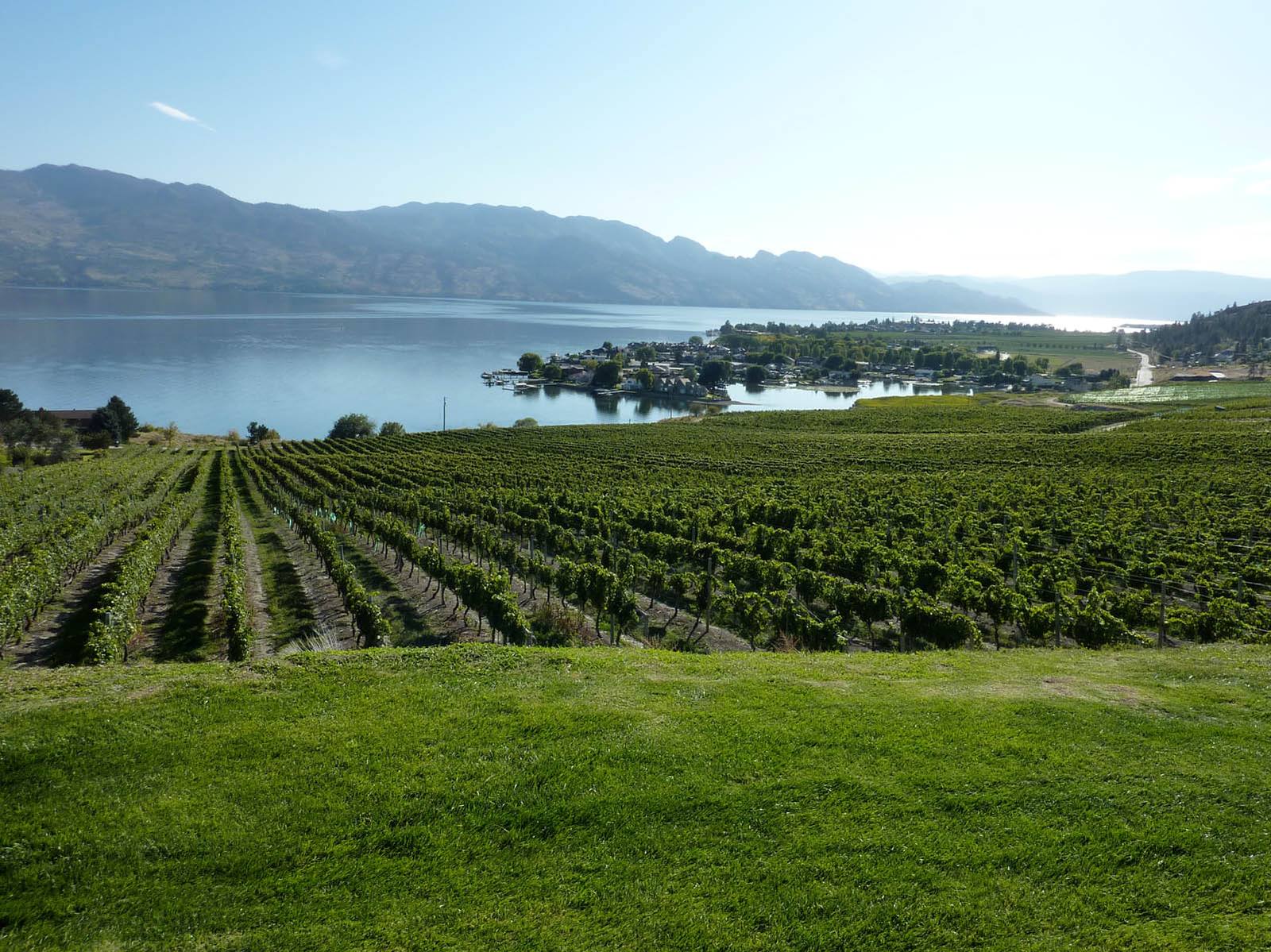
Tantalus Vineyards completed its estate harvest on October 1, the earliest finish ever recorded at its East Kelowna site, according to BC Wine Trends. The final grapes were Riesling from Block 3, a 21-year-old planting immediately in front of the winery. The producer still expects a couple of parcels from grower partners in Osoyoos, but its home vineyard harvest is done.
Nearby SpearHead Winery, however, was deliberately waiting. Winemaker Grant Stanley explained to BC Wine Trends that despite considerable harvesting already taking place around the valley, SpearHead had not yet started picking its Pinot Noir, not because the grapes were behind, but to take advantage of what he described as "perfect September conditions" of really cold nights and lovely warm days.
Those conditions, Stanley said, were providing an extra "little bit of pop and ripeness" before harvest. He explained that Pinot Noir requires more than simply reaching the desired sugar level and acidity. He was also waiting for phenolic ripeness, ripe skins and ripe seeds to accompany the sugar ripeness.
It is a useful reminder that an early vintage does not mean every winery wants to pick early. Even neighboring vineyards can make very different decisions depending on site, variety and the style of wine the winemaker wants to produce.
The complication hanging over the vintage is smoke. As BC Wine Trends put it, smoke has unquestionably affected some vineyards, but it does not define the entire 2026 vintage. Reporting on the Canadian season has noted that in British Columbia's Okanagan, wildfire smoke exposure was far more significant than in regions like Bordeaux, where brief smoke contact during a period when vines had largely shut down made the risk of smoke taint negligible.
The Okanagan has had little chance to catch its breath. In recent years the region has been hit by wildfires and suffered a devastating frost that virtually wiped out the possibility of a harvest. Against that backdrop, a completed harvest, even a complicated one, counts as a recovery.
Wines of British Columbia has been signaling a return to normalcy, with harvest underway across the province's wine regions and wineries framing the crush as a visible sign that the industry is back at work after summer disruptions. The 2026 wines will tell the fuller story: early ripening, cold September nights, and fruit picked around smoke events will each leave their mark, and sorting out those signatures in the cellar is now the vintage's real work.