In this gloomy wine world and all this negativity, we think the opposite. We decided to double down and acquire something very special.
Jean-Charles Boisset and the Boisset Collection have acquired Artesa Vineyards & Winery, the landmark Carneros estate, from Spanish group Raventos Codorniu, in a deal signed September 23, 2026. The purchase adds 350 acres, 150 of them planted across Carneros and Mt. Veeder, and a winery with roughly 190,000 cases of annual capacity to Boisset's California portfolio.
The price was not disclosed. Boisset, whose family company spans Burgundy, Beaujolais and California, told Wine Spectator the move was a deliberate contrarian bet. "In this gloomy wine world and all this negativity, we think the opposite," he said. "We decided to double down and acquire something very special."
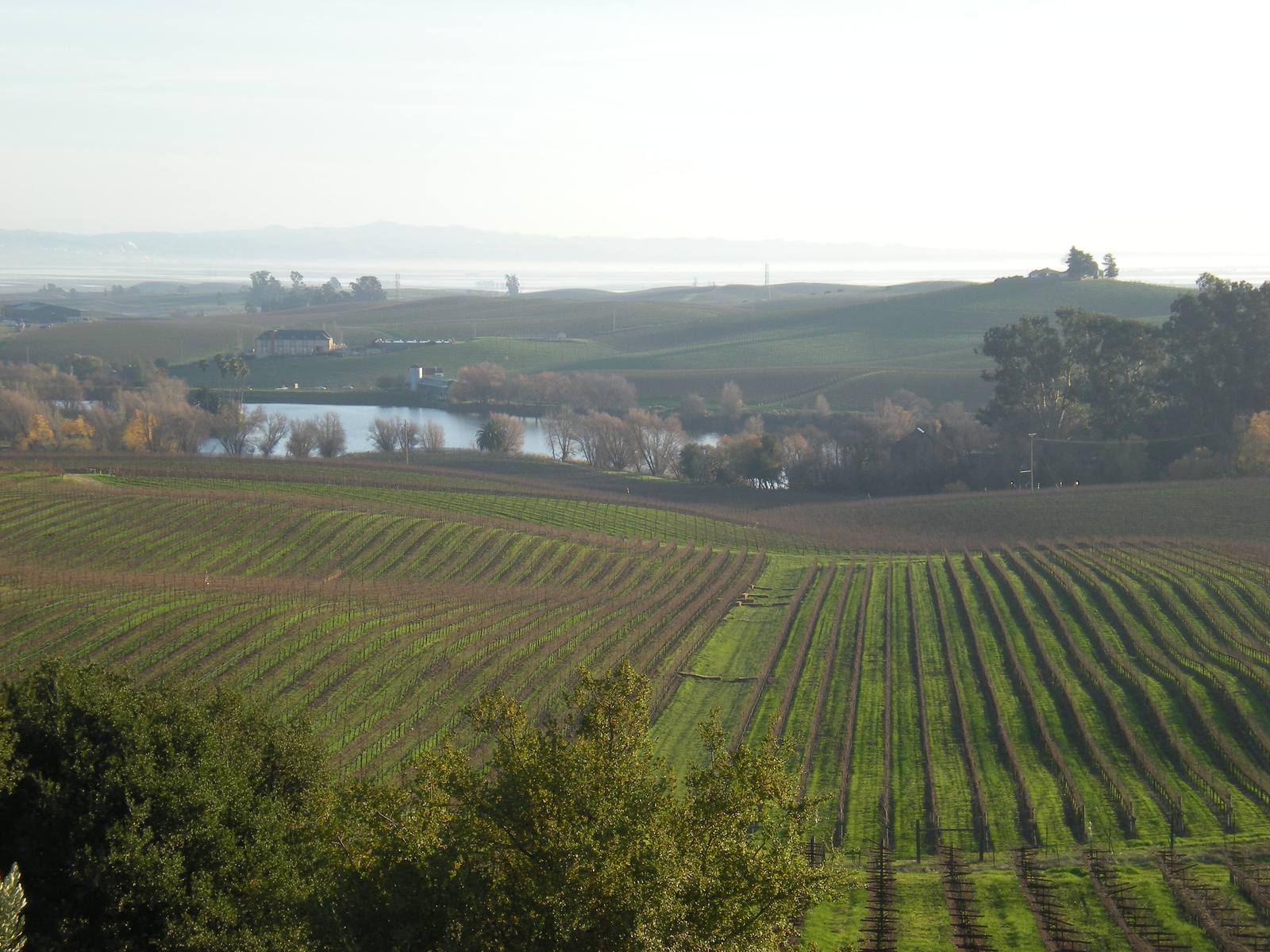
Boisset described Artesa's site in almost Burgundian terms, citing "an extraordinary alchemy of terroir" in its soils, light, maritime air and individual slopes, and said he wanted to explore what the estate could reveal vintage after vintage. Plans include returning sparkling wine production in-house, restoring a category the estate was known for, and developing the property as what he called a destination for art, a new canvas of creativity.
Seller's rationale
For Raventos Codorniu, the sale continues a portfolio reshaping. The company said Artesa had played a significant role in its history and ranked among the most successful wineries in its portfolio, but that the estate would have a brighter future under Boisset's stewardship. The group has been concentrating investment on its Spanish and Argentine holdings.
The deal drew a characteristically blunt reading from California commentator W. Blake Gray, who noted the reported context of private-equity ownership at Raventos Codorniu under the Carlyle Group and wrote that "the news that we are going to read is worse than what's happening underneath." His broader point: headline distress in wine often masks a more complicated reality, and "not everybody is going through the same thing."
Artesa's scale is what makes the deal notable. A 350-acre Carneros estate with 150 planted acres across two appellations and a winery built for roughly 190,000 cases is a platform, not a trophy: big enough to anchor a luxury portfolio's sparkling program, hospitality ambitions and wholesale presence in a single move. For Boisset, whose California holdings have grown steadily over the past decade, it fills a Carneros gap with an established brand that already has broad distribution and one of the region's best-known tasting rooms.
For Boisset, the acquisition caps a decade of steady California expansion that has made the Boisset Collection one of the state's most visible luxury wine players. Artesa gives it a Carneros flagship with scale, a tasting room with panoramic bay views, and a brand with national distribution, all at a moment when premium Napa and Sonoma assets are trading at a discount to their 2021 peaks. Whether the contrarian timing proves inspired will be measured in vintages, not quarters.
The timing is the story Boisset wants told. Buying premium vineyard land while much of the industry retrenches is a bet that the current downturn is cyclical, not structural, for luxury wine. If he is right, Artesa will look like a shrewd purchase in five years. If the gloom he dismissed proves durable, it will look like what it is: a very expensive vote of confidence.