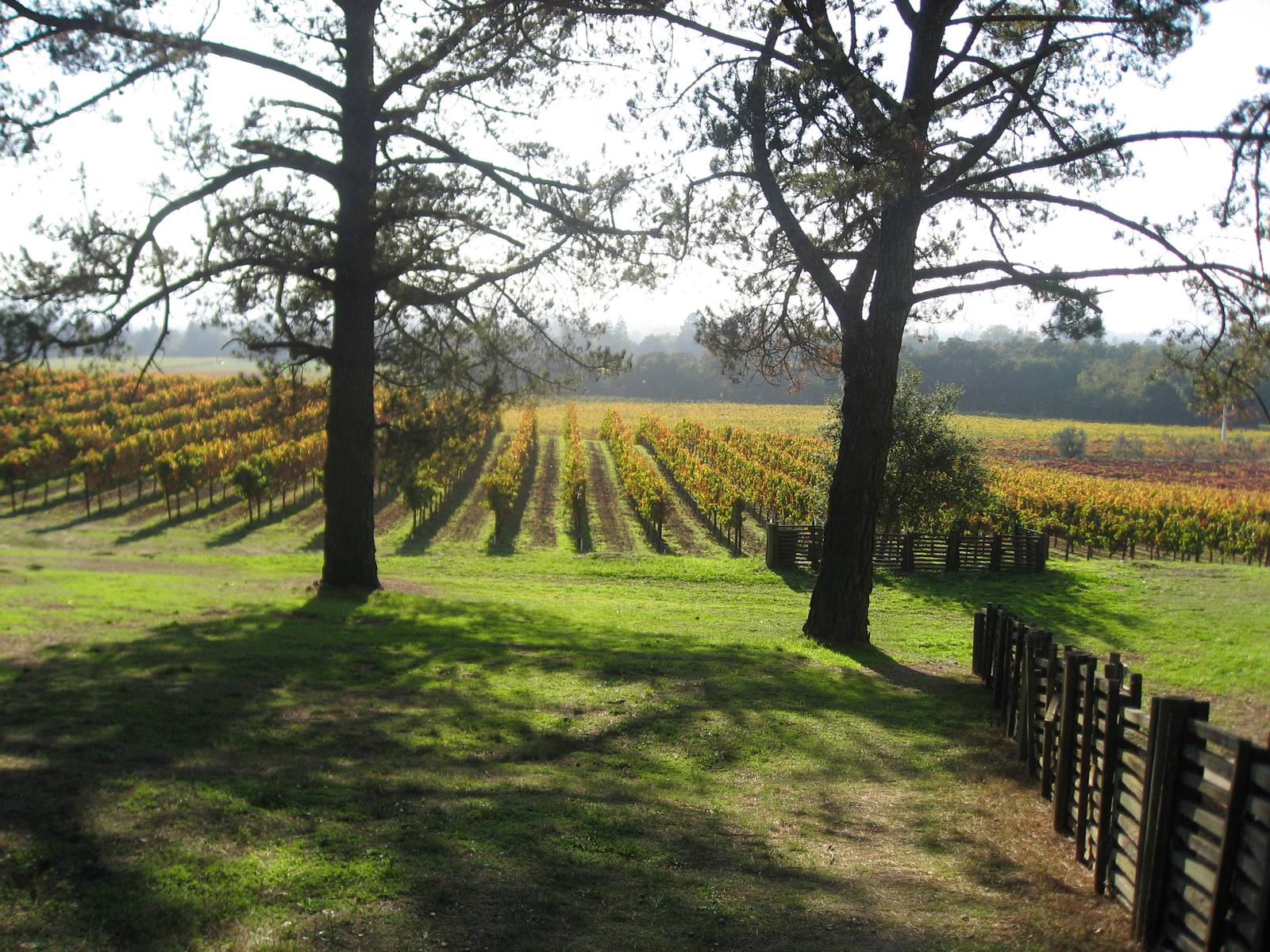
For six generations, our family believed that Gundlach Bundschu is more than a winery. It is a core part of Sonoma Valley.
Vineburg LLC, the operating company of Sonoma Valley's Gundlach Bundschu Winery, filed for Chapter 11 bankruptcy protection on Wednesday, September 23, 2026, in the U.S. Bankruptcy Court for the Northern District of California, ending 168 years of continuous majority family ownership of what the industry knows as California's oldest family-run winery.
Court records list approximately $17.2 million in assets against $39.1 million in liabilities. The largest secured claims include about $17.3 million owed to lender American AgCredit, secured by property, and an $18.1 million claim held by Sonoma Wine 2000 Denmark LLC that the company disputes. The winery and its tasting room remain open while the case proceeds.
The filing traces to a single ill-timed expansion. In February 2020, Gundlach Bundschu acquired a 60-acre Glen Ellen property for its Abbot's Passage label, taking on debt just weeks before the COVID-19 pandemic shut down tasting rooms and the tourism economy that underwrites much of California wine country hospitality. The debt remained after the assumptions supporting the expansion disappeared.
Six generations, undone by leverage
The Bundschu family traces its hold on the property to 1858, when the founding family acquired land from the son-in-law of General Mariano Vallejo. Across six generations the winery survived the phylloxera infestation of the 1870s, the 1906 San Francisco earthquake, which destroyed three family homes and roughly one million gallons of wine, Prohibition, wars, recessions, wildfires and the pandemic itself.
"For six generations, our family believed that Gundlach Bundschu is more than a winery. It is a core part of Sonoma Valley," said Jeff Bundschu, who operates the business alongside his sister Katie as the sixth generation.
Before filing, the family cut costs aggressively: headcount was reduced from about 102 to 63, non-company real estate was sold, and three sale or investment offers were put to lenders and rejected. Lender Tiverton then sought and won a receiver in court, leaving the Chapter 11 filing as what the company described as a last resort.
What the restructuring means for ownership
The company is working with a potential family-oriented investor who could supply the capital to keep the winery operating while leaving the Bundschu family with a minority stake. The business stays alive, in other words, but the ownership structure that survived nearly everything else likely will not.
Industry analysts say the case reflects a broader California downturn driven by falling demand, higher borrowing costs, excess inventory and tighter lender underwriting, conditions that could produce more distressed sales and bankruptcies affecting jobs and local tourism. The Gundlach Bundschu filing landed in the same week that Jean-Charles Boisset purchased Artesa Winery in Carneros, and as Napa's Signorello prepared for a foreclosure sale.
"The news that we are going to read is worse than what's happening underneath," said Rob McMillan, executive vice president of Silicon Valley Bank's wine division, in commentary on California's wave of restructurings. "The first thing to recognize is that not everybody is going through the same thing."
Major asset sales and any reorganization plan require court oversight, while the filing generally pauses collection actions against the company. A reorganization plan will determine whether the investor deal goes forward and what the winery's ownership looks like coming out of the process.