"Innovation is in Moet Hennessy's DNA. Having demonstrated that it was possible to design higher-performance glass solutions, we now intend to accelerate their development and widespread adoption," said Frederic Dufour, member of the Moet Hennessy executive committee.
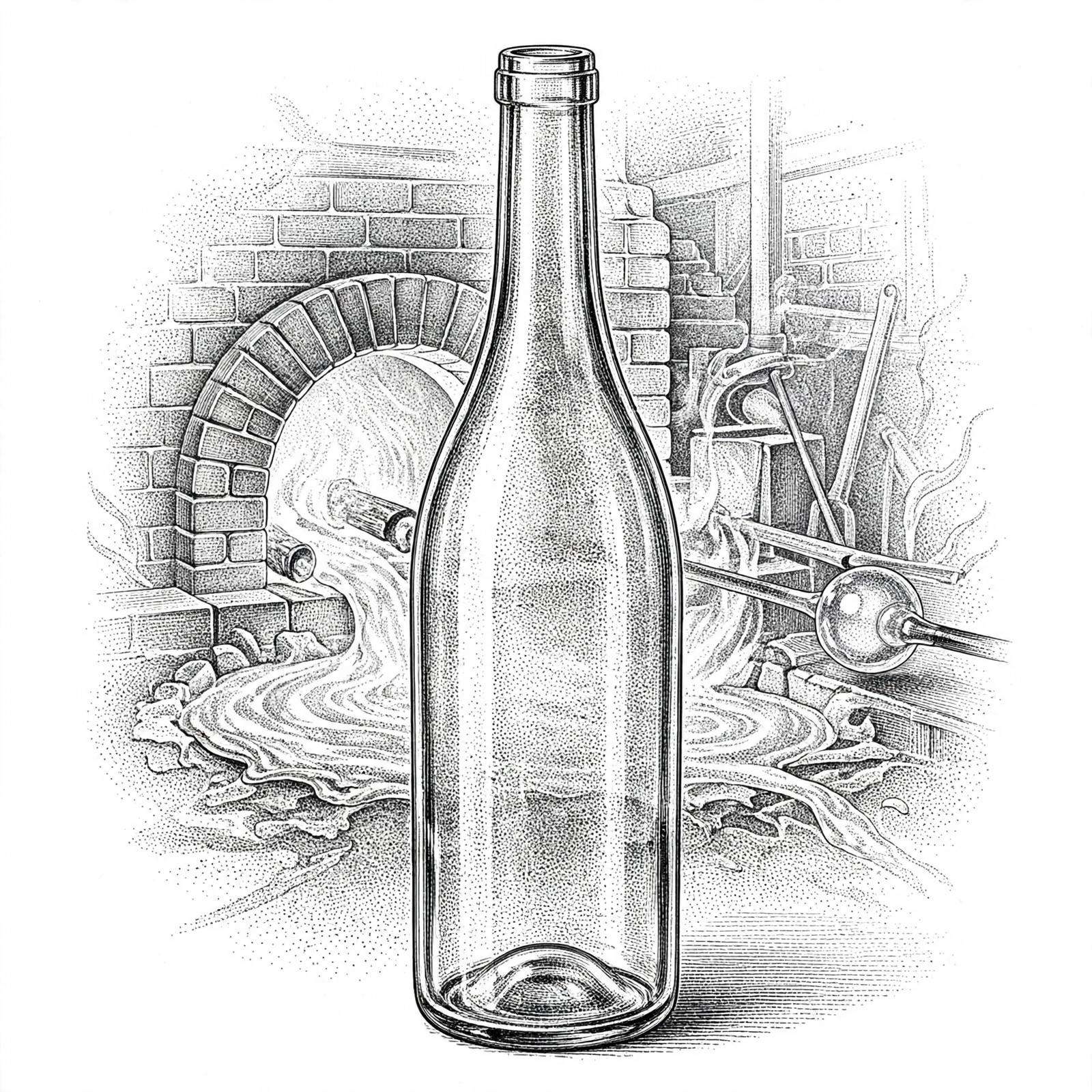
Moet Hennessy has signed a strategic research and development partnership with Verallia, the world's third-largest producer of glass packaging for food and beverages, to develop a new generation of lighter wine and spirits bottles. The multi-year program aims to reduce bottle weight by 30 to 50 percent while maintaining mechanical strength and premium appearance, in what the companies describe as an industry-wide decarbonization push.
"Innovation is in Moet Hennessy's DNA. Having demonstrated that it was possible to design higher-performance glass solutions, we now intend to accelerate their development and widespread adoption," said Frederic Dufour, member of the Moet Hennessy executive committee.
"This is the essence of our partnership with Verallia: combining our expertise to pave the way for a new generation of bottles, more resource-efficient, more innovative and capable of supporting the long-term industrial transformation of our sector, as well as the customer experience," Dufour said.
Attacking the industry's carbon hotspot
Glass packaging accounts for up to 30 percent of the carbon footprint of the wine and spirits industry, according to the two companies, making the bottle one of the single largest levers available for emissions reduction. The joint program will span the entire value chain, from research and development to industrial validation under real-world operating conditions. Verallia will contribute its expertise in glass design, manufacturing processes and equipment, plus testing and qualification, while Moet Hennessy brings product application knowledge and consumer insight.
The rollout is expected to unfold over the coming decade, with the companies saying the advancements are intended to benefit the entire industry rather than remaining proprietary. Initial results are already reported across several Moet Hennessy products, including Hennessy Cognac.
A track record in lightweighting
Moet Hennessy has been cutting bottle weight for years across its Champagne houses, Hennessy, Terrazas de los Andes, Chandon and Chateau Galoupet. The Galoupet range is bottled in recycled amber glass, and its G de Galoupet SKU is packaged in what the brand owner claims is one of the lightest bottles in the world at 300 grams.
The partnership builds on Verallia's own lightweighting milestones. The French glassmaker previously worked with Champagne house Telmont to test the lightest Champagne bottle to date at 800 grams, 35 grams below the standard sparkling wine bottle while still withstanding carbon dioxide pressure. According to Telmont's calculations, glass accounts for around 24 percent of its total emissions, and the lighter bottles generate about 4 percent less CO2 in production while burning less fuel in transport.
What it means for the trade
For suppliers and rival brand owners, the signal is that lightweighting is moving from incremental gains to a systematic industrial program backed by the largest luxury wines and spirits group in the world. Glassmakers that cannot deliver strength at lower weights risk losing share as brand owners chase Scope 3 reductions.
For wineries, the economics are increasingly hard to ignore. Lighter bottles cut freight costs, reduce breakage exposure and lower the packaging fees now being assessed under extended producer responsibility programs that charge by weight. When the world's biggest buyer of luxury glass commits to halving bottle weight, the rest of the supply chain will feel the pull.