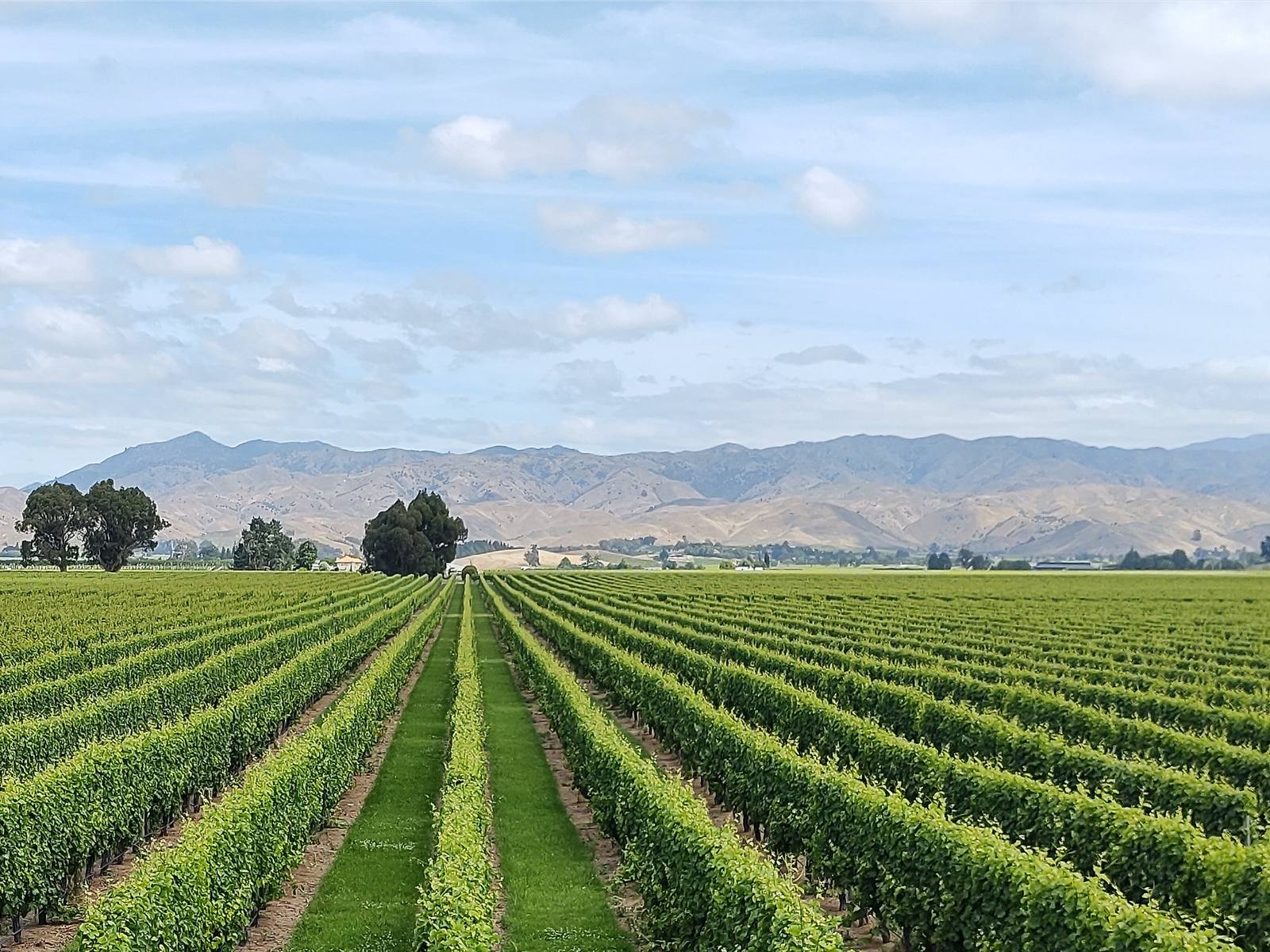
Consumers around the world continue to discover, love and buy New Zealand wines.
While the Northern Hemisphere was counting its losses from a heat-scorched 2026, the Southern Hemisphere's harvest picture, completed months earlier, told a different story: a deliberately smaller crop in New Zealand and a long, late, uneven season in Australia, with pockets of outstanding quality.
New Zealand: smaller by design
New Zealand Winegrowers (NZW) reported in its 2026 Annual Report that Vintage 2026 delivered a harvest of approximately 440,000 tonnes, down a significant 15 percent on the previous year, bringing production "into closer balance with current market demand and supporting the industry's focus on sustainable long-term growth," Winetitles reported.
Export performance was resilient. In the 12 months to June 2026, exports reached $2.108 billion and export volume increased to 306.2 million litres. NZW said the result "reflects an overall sales increase of 8% driven by export growth and represents the industry's second-highest June year total on record," according to Winetitles.
Fabian Yukich, chair of New Zealand Winegrowers, pointed to adaptation across the sector. "Consumers around the world continue to discover, love and buy New Zealand wines. Our focus is on supporting members through the immediate challenges while continuing to strengthen the opportunities that will carry the industry forward," he said. CEO Anishka Jelicich, appointed to the role in July, is guiding a new strategy for the organisation's next phase.
Regional reports suggest the smaller crop was a good one. Warren Gibson of Bilancia, writing up Hawke's Bay for Jancis Robinson's 2026 harvest report, called it "an extremely good vintage" and the third in a strong run following 2024 and 2025, with seven to eight weeks of uninterrupted dry weather through harvest. Picking decisions, he said, were "dialled in by desire, not necessity." Hawke's Bay recorded 1,405 growing degree days, about 85 above the long-term average, with 531.8 mm of rainfall.
In Central Otago, Misha's Vineyard reported its 20th vintage as a cool, extended season with harvest beginning in early April, about two weeks later than usual. The vineyard logged 913 growing degree days against a 14-year average of 1,129.
Australia: long, late and uneven
Wine Australia's National Vintage Report 2026 paints a picture of a season tested by almost every weather event in the book. Survey respondents reported late spring frosts, heatwaves, drought, hail and flooding, with yields commonly below average as a result. The 2025-26 season ran long and late, with some regions still picking into June; Coonawarra reported its latest harvest since the 1970s.
Smaller berries and lower bunch weights were frequently reported, conditions Wine Australia tied to flavour concentration, the report found. The survey drew 667 respondents reporting a crush, down from 751 in 2025, which Wine Australia cautioned could reflect reduced capacity or willingness among struggling businesses to participate in the voluntary survey rather than a pure production signal.
Supply picture
| Metric | New Zealand 2026 | Australia 2026 |
|---|---|---|
| Harvest size | ~440,000 tonnes (-15% on 2025) | Challenging season; yields commonly below average |
| Key quality note | Hawke's Bay: "extremely good vintage" (Bilancia) | Small berries, good concentration; Coonawarra latest picking since 1970s |
| Trade signal | Exports $2.108B; 306.2M litres (year to June 2026) | Season ran long; some regions outstanding |
Taken together, the two Southern Hemisphere exporters enter the 2026 selling season with tighter supply and a quality story to tell, a useful combination as the Northern Hemisphere's shortfall begins to ripple through global bulk and premium markets.