That roughly sixfold difference makes the quota allocation decisive for a grower's bottom line.
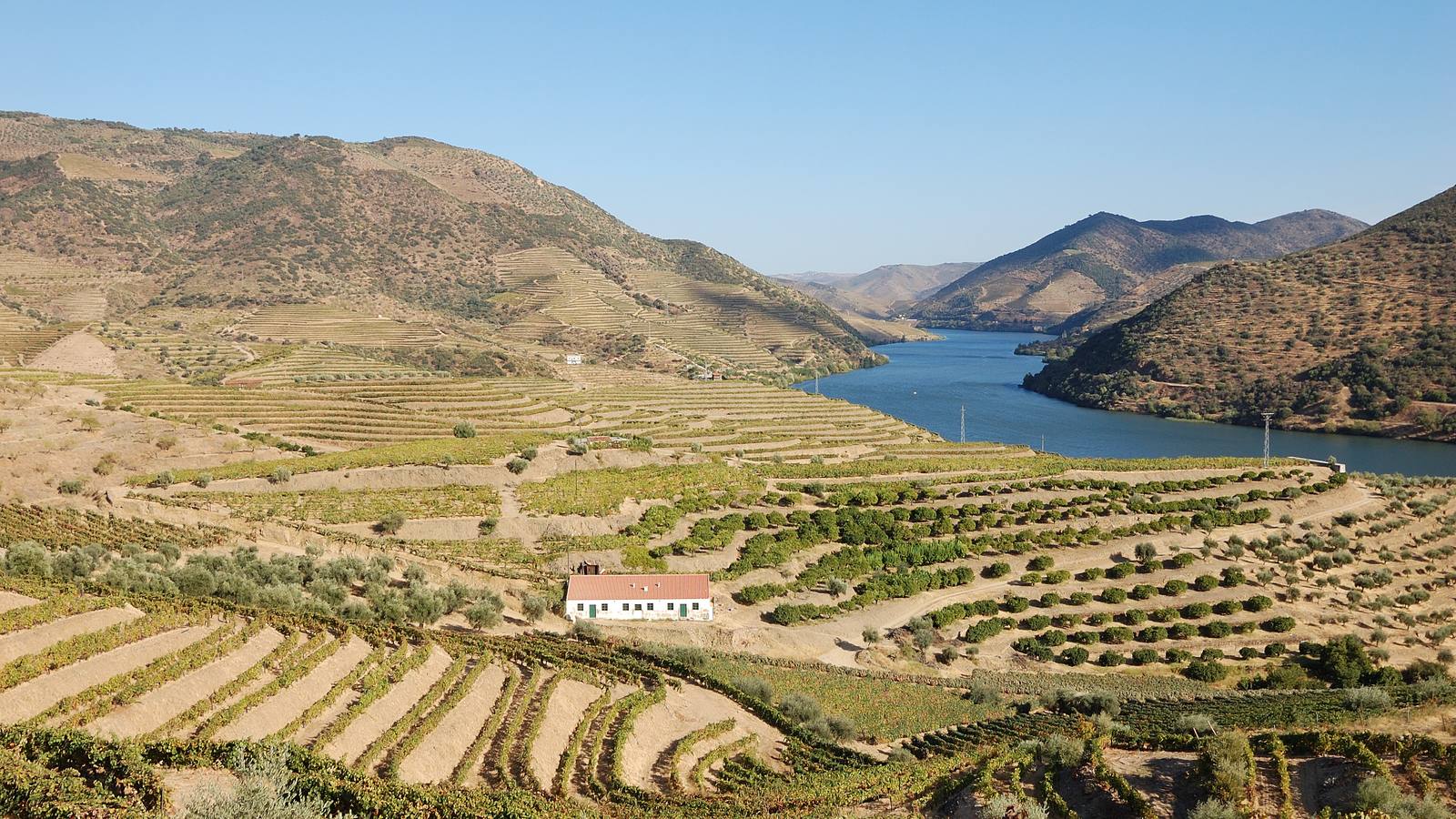
Small and medium-sized growers in Portugal's Douro region are warning that a meaningful share of this year's grapes may go unsold, even as the country forecasts one of the few production gains of the Northern Hemisphere's 2026 harvest. At the heart of their concern is a familiar but worsening squeeze: rising vineyard costs and the limits of the "benefício" system, which caps how much must each producer can allocate to Port wine, a limit that shapes growers' income more than any other single factor.
The grower's math on the ground is stark. Manuel Jorge, who farms eight hectares in Ervedosa do Douro, estimates it costs around 5,000 euros to produce one hectare of vineyard, covering labor, treatments, machinery and transport, Wine Intelligence reported. He has secured buyers for 20 barrels of this year's harvest but does not know whether he will sell the remaining 30, or at what price. The uncertainty comes down to a price gap: grapes excluded from the Port quota, typically destined for still wines under the Douro DOC designation, fetch between 150 and 400 euros per barrel, while grapes that qualify for Port sell for 900 to 1,200 euros per barrel. That roughly sixfold difference makes the quota allocation decisive for a grower's bottom line.
A quota still near historic lows
The benefício has fallen for years, from 104,000 pipes in 2023 to 90,000 in 2024 and 75,000 in 2025. For 2026 the Instituto dos Vinhos do Douro e do Porto authorized 76,000 pipes, equivalent to 57 million kilos of grapes. The modest uptick over 2025 does not ease the pressure on smaller farms, many of which lack the scale to absorb years of tightening margins.
The paradox is that volume is not the problem this year. Portugal is forecasting a 12 percent increase in production to 6.7 million hectoliters, one of the few sizeable gains among major Northern Hemisphere producers, according to Vinexposium's harvest analysis. Four regions are forecasting double-digit increases on 2025: the Douro up 25 percent, Alentejo, Setúbal Peninsula and Trás-os-Montes each up 15 percent, together adding roughly half a million hectoliters. Yet volumes would still sit 4 percent below the five-year average.
What it means for buyers and producers
For Port shippers, the dynamic is manageable: the quota keeps supply disciplined and pricing firm. For small growers, the Douro is drifting toward a structural question the trade has deferred for years: who absorbs the grapes the benefício excludes, and at what price. With still-wine prices a fraction of Port prices and production costs climbing, more of the valley's vineyard economy depends on finding profitable outlets for non-quota fruit, from Douro DOC reds to private-label contracts. Buyers looking for value in the Douro may find willing sellers, but they should understand the economics they are buying into: the steep slopes are among the world's most expensive to farm, and the farmers on them are running out of margin to give.