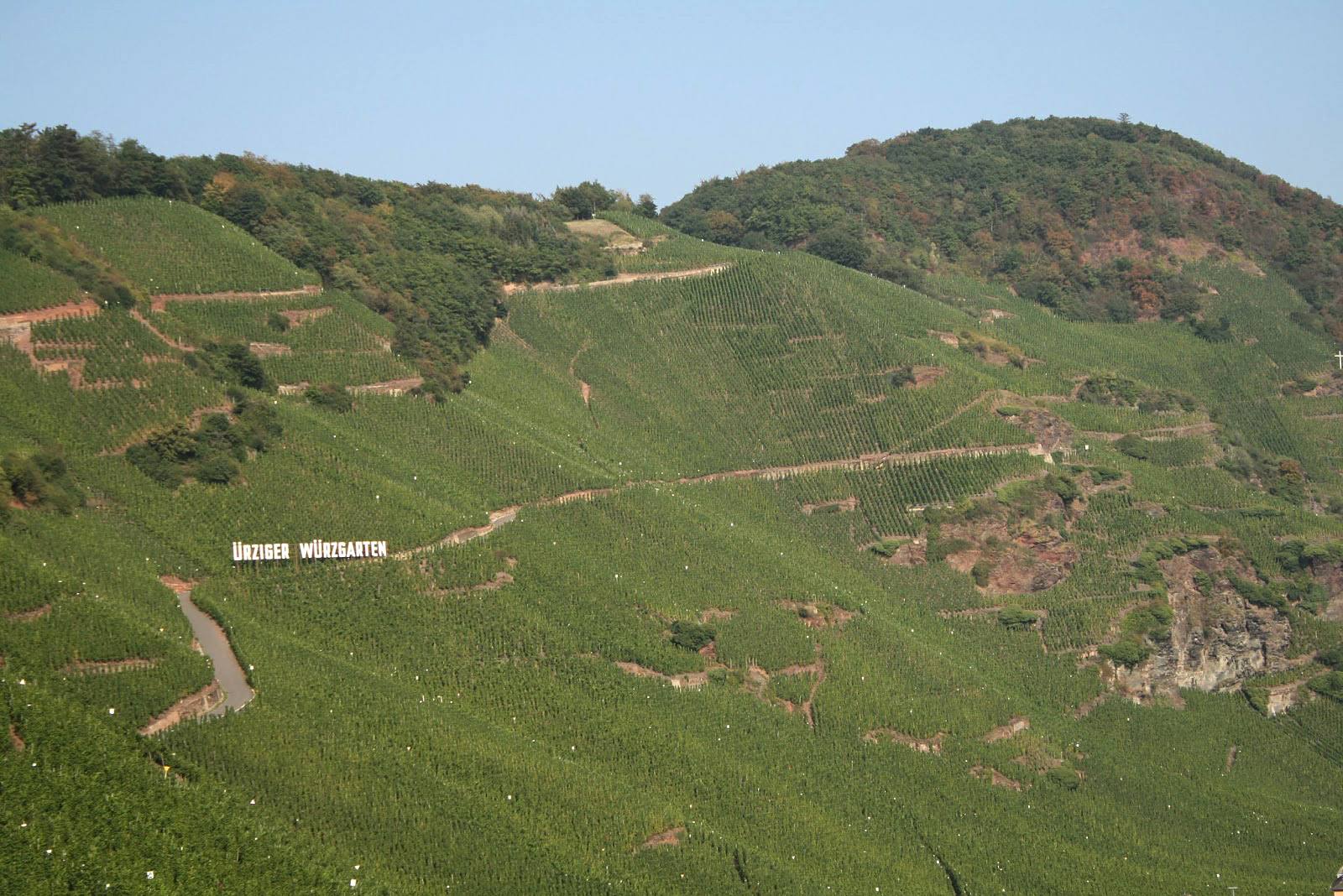
This was the earliest start to the harvest ever in all wine-growing regions.
Germany's 2026 grape harvest has begun earlier than ever recorded after an exceptionally hot summer, according to the German Wine Institute. "This was the earliest start to the harvest ever in all wine-growing regions." That is how spokesman Ernst Büscher described the 2026 vintage to DPA, adding that some winegrowers even cut short their holidays because of it. The main harvest began another one to two weeks earlier than in recent years and around four weeks earlier than 30 or 40 years ago, and was expected to be completed in September.
Speed defined the season. "It will be a very fast harvest because almost all varieties are ripening at the same time," Büscher said, with heavy rain a potential accelerant. Growers were picking early to keep sugar levels in check: grapes left too long would produce fuller-bodied wines with higher alcohol, while demand is increasingly moving toward lighter wines with lower alcohol levels. Excessive heat can also reduce the fruit acidity that defines German wine.
Healthy fruit, thinner yields
The early start does not appear to have compromised quality. Büscher said the grapes were still very healthy and growers were "very satisfied" with quality so far, and the German Wine Institute reports that the vintage produced very ripe, healthy grapes that should yield aromatic wines. Yields, however, are expected to fall below average because the grapes were smaller than usual. Vinexposium's Northern Hemisphere harvest analysis expects prolonged summer heat to reduce German output overall, even as harvesting ran in full swing with most varieties ripening simultaneously.
What it means for buyers
For importers, the combination of high ripeness and smaller berries points to concentrated, aromatic wines in tighter quantities, a profile that historically supports firm pricing for German Riesling and Pinot Blanc at retail. The deeper signal is structural: Germany's harvest calendar has shifted roughly a month earlier over a generation, forcing winemakers to balance ripeness against the fresh, lower-alcohol style the market now wants. Estates that manage that balance will have a compelling story for buyers; those that do not will find the 2026 vintage reads riper and broader than the German archetype their customers expect.