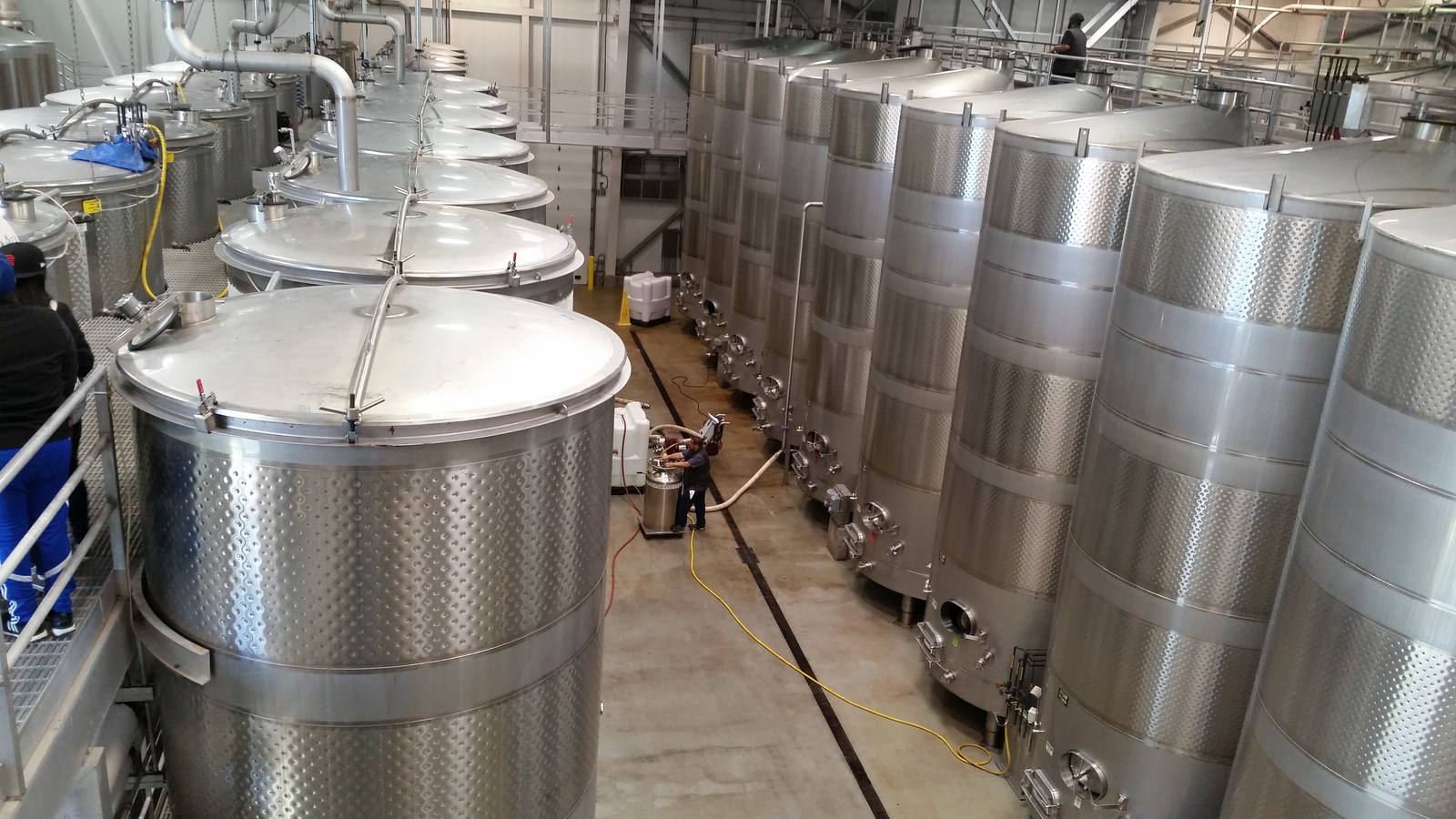
Buyers look set, now more than ever, to secure volumes on an incremental, just-in-time basis.
Buyers on the global bulk wine market are sitting on their hands. Ciatti's Global Market Report for September describes buyers as extremely price-sensitive amid a margins squeeze, with multi-year demand weakness from North American and European retail compounded by rising input costs. The report concludes: "Buyers look set, now more than ever, to secure volumes on an incremental, just-in-time basis."
The report lands as Northern Hemisphere harvests run well ahead of a normal timetable, with final crop estimates starting to form and pricing on the 2026 vintages beginning to take shape. September's Global Pricing Grid includes new 2026-vintage pricing in Spain.
A demand problem, not a supply problem
Ciatti's diagnosis is blunt: the constraint is consumption, not availability. Post-pandemic inflation, recently worsened by energy-price rises tied to the Middle East conflict, has squeezed discretionary spending even where headline economic indicators look stable. That has compounded the long-term erosion of wine drinking from health messaging and cultural change, including what the report calls the preference of Generation Z consumers, roughly those aged 18 to 29, for digital connection over social drinking culture.
The report suggests counters: smaller packaging, an alternative narrative to what it terms over-zealous health messaging, and brands that triangulate sparkling and lighter styles, innovative branding and packaging, and value-for-money shelf prices. "Bulk inventory is currently available in the volume and at the pricing that makes more such propositions highly workable," the report notes.
California: light crop, capped prices
California illustrates the paradox. The 2026 crush is tracking at roughly 80 percent of typical volume, with the state's earliest harvest in a generation mostly picked by the end of September. Lighter crops would normally firm prices, but sluggish retail sales and a lingering bulk inventory overhang have kept a lid on grape prices. Buyers are making selective replacement purchases to fill portfolio gaps rather than contracting aggressively, and wineries are leaning on cellar reserves instead of locking in expensive long-term deals.
The implication for growers: a third straight below-average crop (2024 and 2025 also came in under the five-year average) may help rebalance supply, but a concerted price recovery still depends on the fundamental problem reversing, namely falling case-good sales.
El Nino watch for the Southern Hemisphere
Looking south, the El Nino phenomenon is already shaping the next cycle. The Western Cape has had an unseasonably mild, dry winter; Chile's growing areas received dramatic winter rains and are seeing a premature start to spring; Mendoza had a mild winter with similarly early spring-like conditions; and Australia's growing areas got solid winter rain, with Adelaide recording its wettest winter in 22 years. El Nino is forecast to persist into the second quarter of 2027.
For winery executives and buyers, the near-term playbook writes itself: stay incremental, keep powder dry for 2026-vintage pricing as it firms, and watch Southern Hemisphere conditions into the new year. The market will reward patience, until retail demand gives it a reason not to.