We have been collateral damage in the trade war which started in 2023 between Brussels and Beijing over Chinese electric vehicles.
Cognac sales have fallen from 230 million bottles in 2023 to 140 million currently, a decrease of 90 million bottles, or 39.1 percent, according to figures presented by Raphael Delpech, director of the Bureau National Interprofessionnel du Cognac (BNIC). The collapse, driven by tariffs in China and the United States, the sector's two most important export markets, has turned one of France's flagship luxury exports into a case study in trade-war collateral damage.
"We have been collateral damage in the trade war which started in 2023 between Brussels and Beijing over Chinese electric vehicles (EVs), a symbolic product for the EU market," Delpech told Euronews. France was among the strongest supporters of EU action against Chinese EVs. Beijing retaliated by targeting European brandy, imposing provisional duties of up to 34.8 percent in 2024, just days after the EU imposed tariffs of up to 35.3 percent on Chinese EVs. In July 2025, anti-dumping duties averaging 32.2 percent were imposed on Cognac shipments to China.
"Once the Chinese government singled us out and associated us with an anti-Chinese European and French policy, consumers started to distance themselves," Delpech added. "The distributors stopped buying our bottles and stopped putting our products on their shelves."
Then came the second blow, from the United States, which accounts for around half of Cognac exports. The introduction of 15 percent tariffs on all European products, combined with an unfavorable euro-dollar exchange rate, led to price increases of around 30 percent for American buyers.
The annual data is stark. BNIC figures for 2025 show global Cognac shipments down 15.1 percent to 141 million bottles, with value plunging 25.3 percent to 2.24 billion euros. Every segment fell: VS down 16.2 percent, VSOP down 11.5 percent, and XO and above down 23.2 percent. North America, the category's largest market, saw volumes fall 19.4 percent to 56.9 million bottles and value collapse 34 percent to 737.3 million euros. The Far East dropped 20.5 percent in volume to 37.7 million bottles; Europe fell 10.9 percent to 28.2 million.
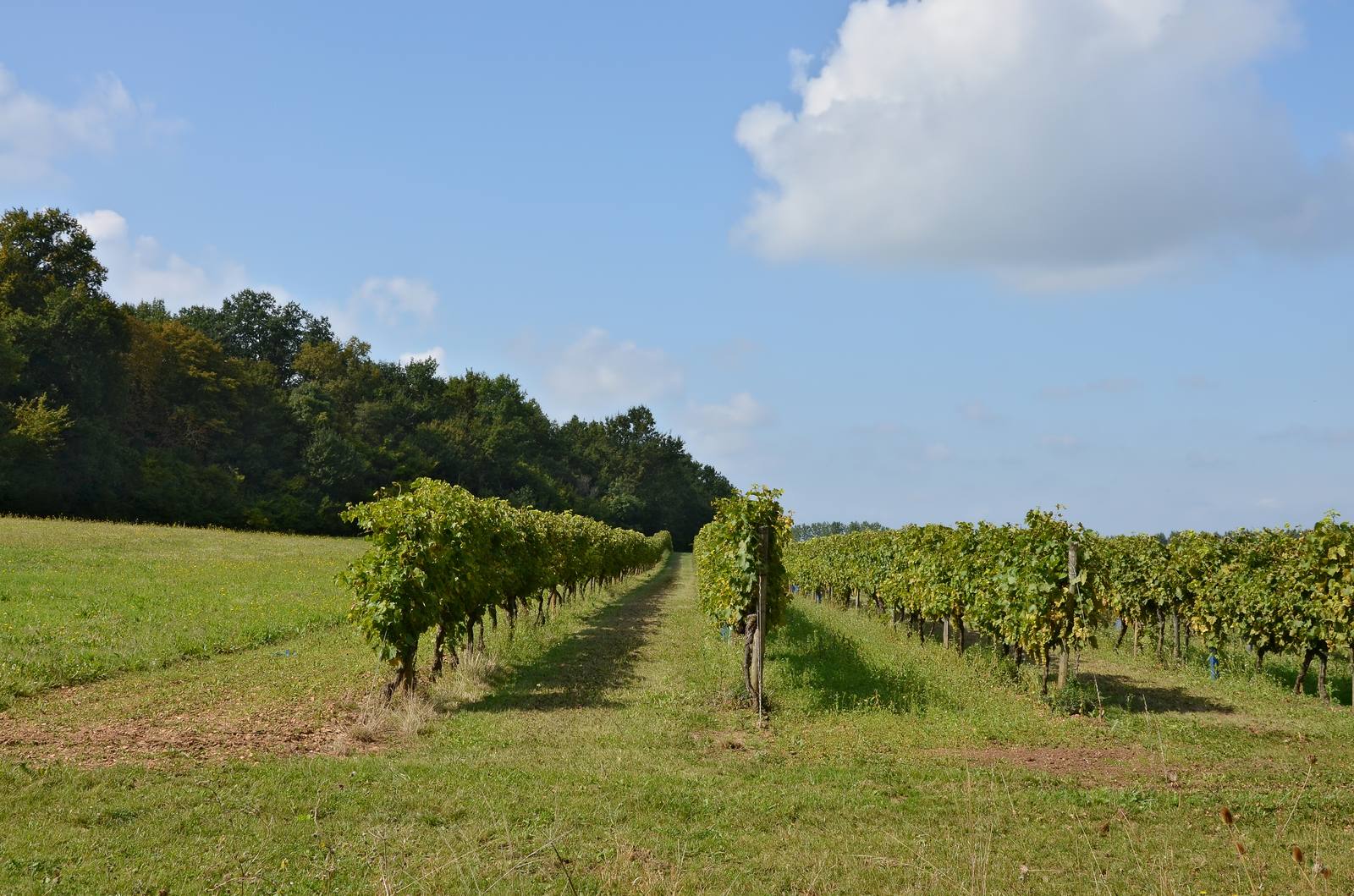
The four main trading houses, Remy Martin, Hennessy, Martell and Courvoisier, slashed their orders from winegrowers after clients cancelled contracts. In the vineyards, the pain is spreading: growers report the 2026 harvest down 30 to 40 percent in economic terms after drought, a shortfall one grower described as nature helping regulate surpluses.
"Sometimes it's hard to look back to where we were 18 months ago compared with where we are today," said Cyril Camus, fifth-generation owner and CEO of Cognac house Camus. "In line with the overall industry, we've suffered a drop in our shipments, both in volume and value terms. We've had to go through a pretty substantial restructuring and reorganising of the company in the markets and the headquarters in Cognac, to adjust to what I consider is a new reality. I believe the low level of shipments in Cognac are here to stay for a while. That has been... well, painful would be an understatement."
The industry is now paying growers to pull vines, the first coordinated removal since the late 1990s, as it tries to realign production with demand. More than 70,000 French jobs are tied to the spirit's production, according to BNIC estimates, which is why the sales downturn is read in Paris as a potential crisis rather than a cyclical dip. With 98 percent of Cognac exported outside the EU, there is no domestic market to fall back on.