a responsible approach that adapts to market realities without losing sight of preserving the appellation's value over the long term.
The Northern Hemisphere's 2026 harvest is drawing to a close with smaller yields across France, Italy and California, the result of an unusually hot, dry growing season. For fine wine investors watching for signs of tighter supply, the signal has arrived.
France's Agriculture Ministry put the country on course for its smallest wine harvest since 1957 in a September 8 forecast, with national output expected near 34 million hectoliters, about 17 percent below its recent average and 6 percent below 2025. Record-breaking heat was the constant backdrop: Bordeaux recorded six days above 40 degrees Celsius in 2026, more than the total across the previous 105 years, with temperatures peaking at 42.5 degrees and 136 weather stations logging all-time highs across mainland France and Corsica.
The story this harvest tells is not only about weather. In region after region, producers and trade bodies chose to cut yields deliberately rather than simply absorb what the season gave them, from Champagne's fourth consecutive annual reduction in its permitted yield to Bordeaux's subsidized vine-pull scheme. That pattern of supply discipline comes as the fine wine market recovers from its most prolonged downturn in recent memory.
Champagne's permitted yield of 8,800 kilograms per hectare, roughly 250 million bottles, is the lowest since 2020 and the fourth consecutive annual reduction, down from 11,400 kilograms per hectare in 2023, a 26.6 percent fall from 2022's level. David Chatillon, co-president of Comite Champagne, called the cap "a responsible approach" that adapts "to market realities without losing sight of preserving the appellation's value over the long term."
Paris has answered with money. On September 4, Agriculture Minister Annie Genevard unveiled aid topping 1 billion euros for farms battered by the summer: the bulk flowing through the national solidarity compensation scheme, alongside property tax relief on undeveloped land, disaster payments for losses no insurer would cover, and a dedicated recovery fund to help farms finance inputs and rebuild after the wildfires.
The ministry attributed the production decline both to a reduction in productive vineyard area and lower yields from drought and heatwaves. Some 65 percent of France experienced what the ministry described as unprecedented drought, with water restrictions imposed in 95 departments and 79 classified as being in crisis at the height of summer.
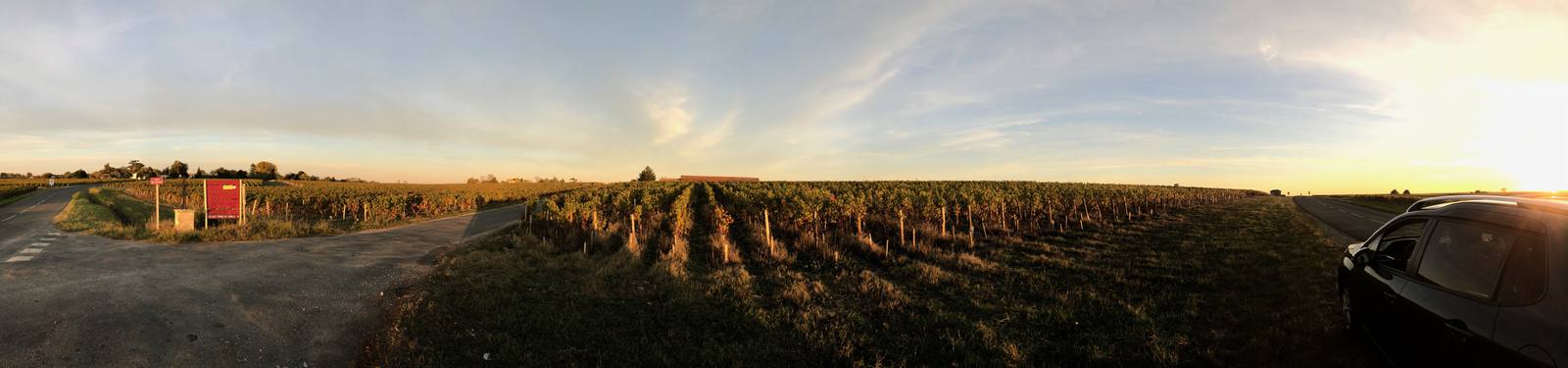
The national figure masks considerable regional variation. Bordeaux was the standout exception, forecasting 3.5 million hectoliters, up 10 percent from 2025, as late-August rains eased the summer's heat and drought, even as the region's productive vineyard area shrank by nearly 5,000 hectares under the vine-pull program. Languedoc-Roussillon is expected to rise 5 percent from a weak 2025 crop.
For the market, the combination of weather-driven shortfalls and deliberate supply restraint points to tighter availability of 2026 wines from France's prestige regions. Whether that translates into pricing power depends on demand, which remains the industry's open question. But on the supply side, 2026 has delivered the discipline that downturns usually force, this time by choice as much as by climate.