The growing gap between volume and revenue points to continued pressure on premiumization as consumers instead prioritize value.
The U.S. wine and spirits market is starting to tell two different stories. New SipSource data for July 2026, released by the Wine and Spirits Wholesalers of America (WSWA) on September 9, shows wine beginning to diverge from spirits: while the overall market remains down, wine is showing signs of improvement even as spirits face deeper revenue and premiumization pressure.
At first glance, July brought more of the same. Total wine and spirits volume declined 6.8 percent over the last 12 months, while revenue fell 6.1 percent. Over the last three months, volume was down 6.2 percent and revenue declined 6.1 percent. But underneath those relatively stable topline numbers, the wine category is finding bright spots that spirits cannot match.
Sparkling leads the wine recovery
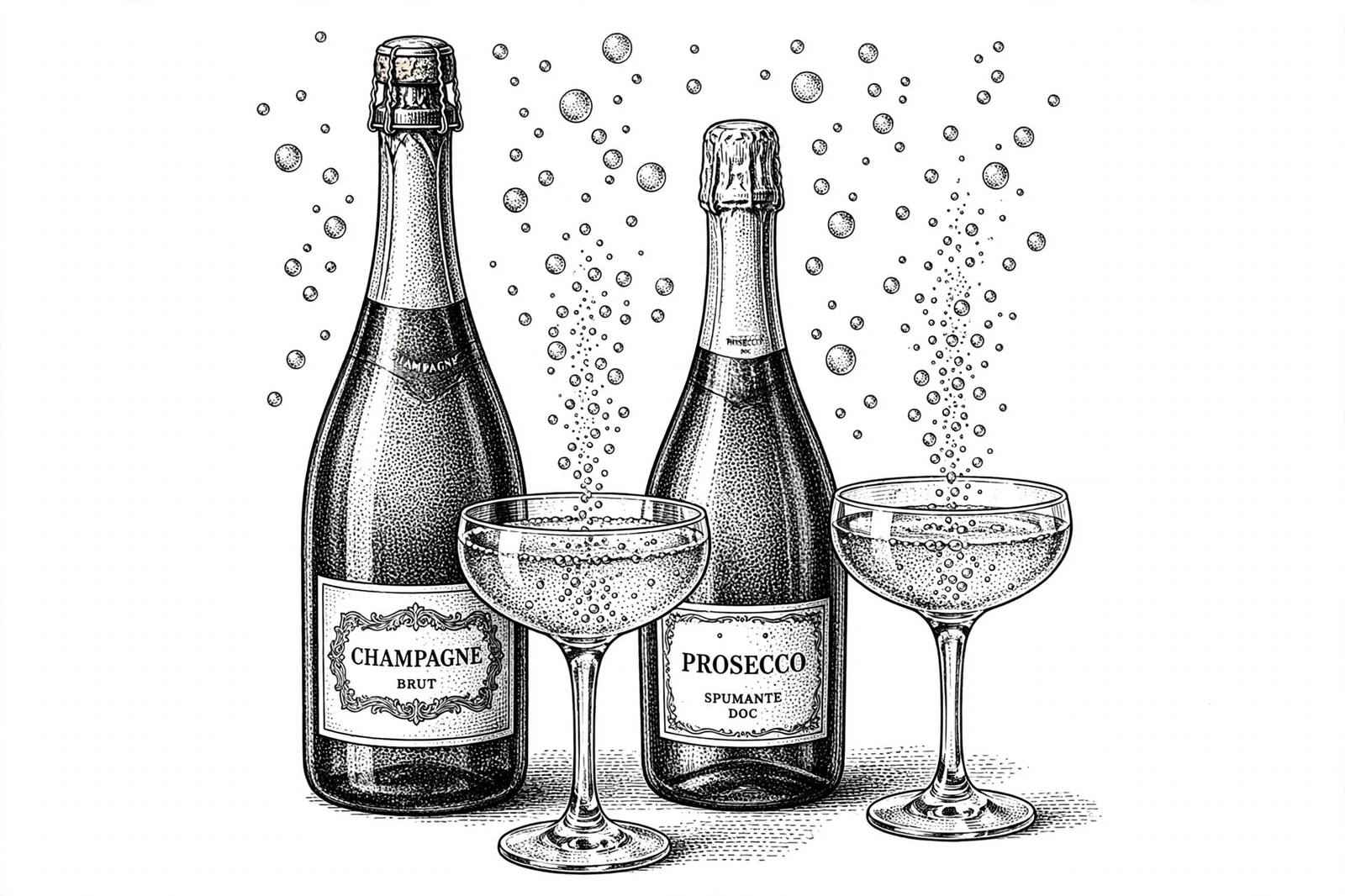
Wine's bright spots are concentrated in sparkling and white. Champagne revenue increased 14.7 percent over the last three months, Prosecco revenue rose 10.2 percent, and Sauvignon Blanc revenue grew 3.2 percent, according to Shanken News Daily's coverage of the data on September 14. Over the past three months, wine volumes declined 6.8 percent, an improvement of 110 basis points compared with June, while revenue fell 4.2 percent.
The premium end of wine is holding up better than the category average. Revenue performance is improving significantly in price segments of $16 and above, with wine priced over $50 posting 0.9 percent revenue growth over the past 12 months. For an industry that has watched premiumization stall across most of the beverage alcohol landscape, wine's high-end resilience stands out.
Spirits under deeper pressure
Spirits trends have been less favorable. Latest three-month volume declined 5.7 percent, while revenue fell a steeper 7.1 percent, both weakening from June, with revenue deteriorating by 130 basis points. According to WSWA, "the growing gap between volume and revenue points to continued pressure on premiumization as consumers instead prioritize value."
Every spirits price segment is now down more than 5 percent in revenue. Spirits priced above $50 saw revenue fall 8.9 percent, with the $50 to $99.99 range declining 9.5 percent, a sign that higher-priced bottles are taking a disproportionate hit as consumers trade down. The contrast with wine's $50-plus growth could hardly be sharper.
On-premise outperforms
One trend common to both categories is the relative strength of the on-premise. Total wine and spirits volume sold through bars, restaurants, and other hospitality venues declined 2.8 percent over the past 12 months, compared with a much steeper 7.5 percent decline in off-premise retail. The nearly five-point gap suggests that consumers are still willing to spend on drinks when the occasion justifies it, even as they pull back from retail shelves.
For suppliers and distributors, the channel split has practical consequences. Depletion trends in the on-premise are holding up far better than retail takeaway, which means route-to-market strategy, and the sales resources behind it, should follow the consumer toward hospitality accounts.
What the trade should watch
SipSource's July read is not a recovery story; it is a divergence story. Wine is stabilizing around sparkling, Sauvignon Blanc, and the $50-plus tier, while spirits sink deeper into value-seeking behavior. The operators who read the split correctly will tilt innovation, inventory, and incentive dollars toward wine's bright spots and the on-premise channel, and stop waiting for a uniform rebound that the data says is not coming.